21 juli 2021
Art Marketing: How to Promote Your Art
Marketing is an important part of being an artist. Done thoroughly, it can take up half your working time.
From practical social media tips to building a strong website, here are my suggestions for promoting your art.
Making art is enjoyable; getting it seen can take just as much time and feel more challenging. If you are unsure how to market your work online, these ideas will help you promote yourself and reach a wider audience.
Start with a Strong Online Portfolio
An online portfolio is a crucial first step. Whether networking, applying for a project or entering a competition, you need somewhere to direct people to your best work.
Whether you create fine art, tattoos or something in between, an online portfolio helps your work get seen.
Your portfolio often creates the first impression, so plan it carefully. These features can strengthen both your presentation and your marketing.
Use a Website Builder That Saves Time
An online portfolio platform can save time and money. A free trial lets you assess whether it suits your needs.
Choose an attractive, easy-to-use layout that reflects your identity. Consistent fonts, colours and visual elements help visitors enter your artistic world.
Curate Your Content
It is tempting to include everything, but be selective about the work you show.
Too many examples can overwhelm visitors and discourage them from exploring, leaving excellent pieces unseen.
Including weaker work can undermine your presentation. Review the portfolio once or twice a year to keep it fresh.
Your Artist Statement and About Page
Include an artist statement explaining how you work and what your art means.
You will often need this statement for competitions, submissions and media coverage. It also helps define your artistic identity.
Your About page is a good place for it. Add engaging information about yourself and your practice: potential buyers want to know the artist behind the work.
Start Blogging
A blog lets you publish original content regularly, helping your website become more visible in search results.
Informative posts also demonstrate your knowledge and artistic expertise.
Sell Art Online
Once people visit your portfolio, selling originals or prints can turn their interest into income.
An online shop gives interested visitors a way to buy. Work displayed in customers’ homes can then attract other buyers.
Choose an online portfolio platform with shop features and options for cards and prints. Direct sales can avoid some marketplace fees.
Enter Art Competitions to Gain Exposure
Competitions can generate publicity. Winning brings attention and can strengthen your reputation.
Even without winning, you may gain exposure through shortlisted entries, honourable mentions or submitted work displayed on competition websites.
Examples of annual competitions to explore include:
- The Artist’s Magazine Annual Art Competition
- Chelsea International Fine Art Competition
- Tallahassee International Juried Competition
- ABN-Amro Kunstprijs
- Van Lanshot Kempen Kunstprijs
- BNG Bank Lang Leven Kunstprijs
- Open Calls for Artists
- Hermine van Bers Beeldende Kunstprijs
- Cobra kunstprijs
- Abel Tazman Artprize
- Nederlandse Portretprijs
An online search will reveal many more opportunities in the Netherlands alone.
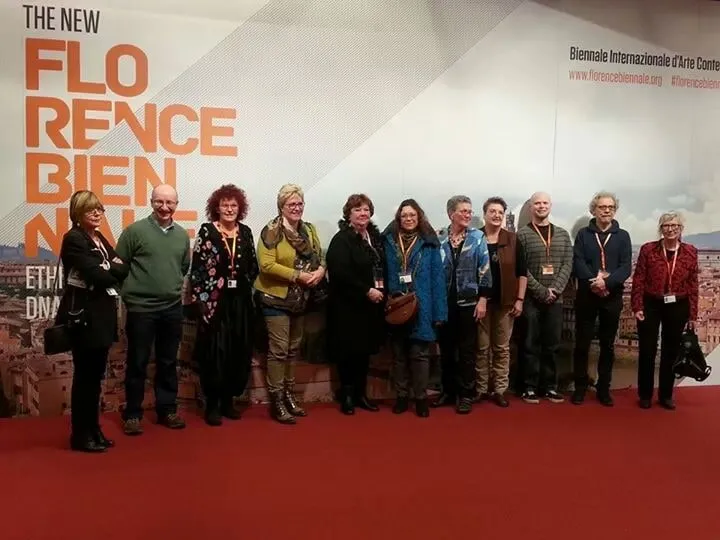
Offline Promotion: Organise Your Own Exhibition
Online promotion can be effective, but do not overlook seeing art in person. A physical encounter may leave a stronger impression than an image someone scrolls past.
Organising an exhibition teaches you practical marketing skills and may be easier than expected. Consider these tips:
- Choose a theme to connect the exhibition. Although optional, it provides focus and can help you decide whether to invite other artists.
- Consider a group show. Each artist can introduce their own friends and followers, increasing the audience for everyone.
- Look beyond conventional galleries. If hiring a gallery is outside your budget, consider accessible spaces such as hotel lobbies, restaurants, music venues or a temporarily vacant shop.
- A well-designed poster can help attract visitors. I will share poster-design tips in a future blog.
Promote Your Art through Networking
Networking is an important promotional skill. Here are ways to build connections within the art world:
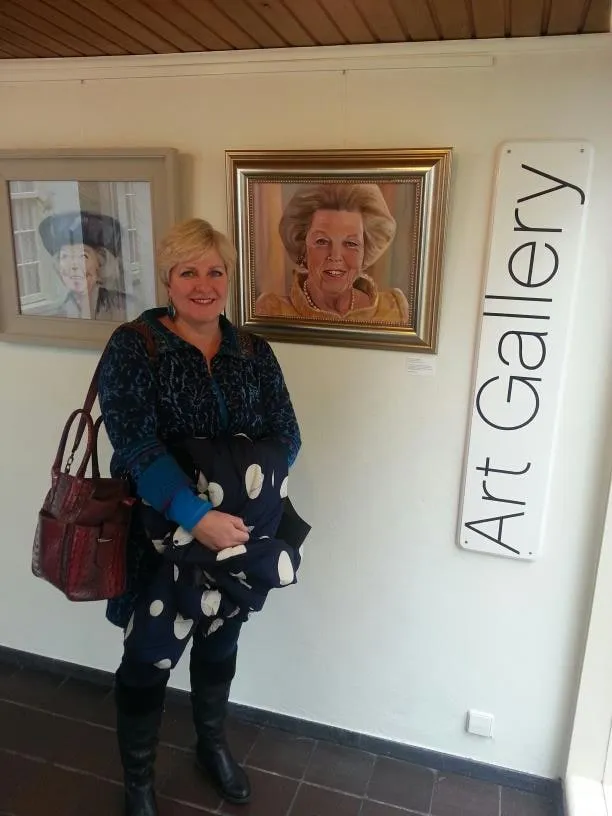
Visit Exhibitions and Art Fairs
Meet art lovers, professional artists, gallery owners and agents. Such contacts may share opportunities, introduce collaborators or promote your work through their networks.
Take business cards and share them when appropriate. A well-designed card can make a lasting impression.
Join Artists’ Organisations
These organisations may offer networking, workshops, promotion, advocacy and practical resources.
Look for local, regional and national groups relevant to your practice.
Examples include:
* The Portrait Society of America
* Artists and Arts Organisations in Belgium
* BBK Beroepsvereniging voor Beeldende Kunstenaars
Take Part in Local Community Projects
Community projects can introduce your work while supporting other artists.
Possibilities include donating work to a charity auction, joining a mural project or volunteering to teach at a community centre.
If you are new to a town, community involvement can help you build a network and share your art.
Get Noticed as a New Artist through Collaboration
How do you reach people without established contacts? Working with another artist can help.
Collaboration brings your work to more people and reminds you that you do not have to navigate the art world alone.
Start with artists in your medium, but think more broadly too. A band needing an album cover is one possibility.
Apply for Grants
An arts grant can bring recognition. Funding organisations may publicise the work they support, leading to media attention.
Research grants suited to your practice and prepare a strong application.
Place Your Art in Music, Film and Television
Some artists make work for film and television, from background paintings to logos and shop displays.
An appearance in a production can introduce your art to new audiences and may bring a credit.
Approach local production companies or film and media students. A student project may offer modest exposure, but it can demonstrate your ability to meet production requirements.
Submit Your Work to Art Websites
Beyond competitions and grants, submissions to art websites can regularly introduce your work to new audiences.
Check whether a site is seeking particular themes or types of work before submitting.
Help Your Art Stand Out on Social Media
Effective social media promotion needs a strategy, an understanding of your analytics and ways to reach people consistently. I will explore these in a separate post.
Work through the steps below to make your approach deliberate and effective. You do not need every platform: try a few and see which suit your audience.
Create an Online Art Marketing Strategy
Set goals before starting. Without clear aims, it is harder to judge progress or identify approaches that are not working.
Define what you want to achieve, whom you want to reach and which platforms you will use.
Set Up Professional Facebook and Instagram Accounts
Use professional accounts on Facebook and Instagram for your art. They offer a professional presentation and analytics that help you understand which content works.
A Facebook business page can provide additional analytics and advertising options and connect with your professional Instagram presence.
Encourage Followers to Share Your Work
Peer-to-peer promotion means giving followers reasons to introduce your work to their own networks.
Competitions are one approach. Some businesses offer prizes and ask entrants to post about a product or brand.
An independent artist may not be able to offer an expensive prize, but creative ideas can still encourage participation.
For example, invite people to share their favourite portfolio piece and offer an artwork as a prize. Their posts can introduce your work to new audiences.

Cross-Promote with Other Artists
Other artists are seeking exposure too. Agree to share each other’s work, explaining what you appreciate about it.
Both artists gain visibility. Because tastes differ, sharing another artist’s work need not mean losing your own potential buyers.
Track Progress with Analytics
Facebook Insights and Instagram analytics can show how many people see posts and how many continue to your portfolio.
Compare posts and approaches to learn what works and what does not.
Built-in analytics offer a useful starting point; third-party tools may provide further detail.
Learn from Other Artists Online
Study artists you admire, including those who promote themselves effectively. Consider their images, writing and posting schedules to identify ideas worth adapting.
Use Post-Scheduling Tools
Consistent posting helps engage existing followers and reach new ones, but maintaining it daily can be demanding.
Scheduling tools let you prepare posts at your own pace and arrange automatic publication.
They also make it easier to publish when your audience is most active, guided by analytics.
Search online to compare scheduling tools for Instagram and other platforms.

Try a Facebook Advertising Campaign
You do not necessarily need a large advertising budget. The original article suggests beginning with a small daily amount, such as €1.
Advertising lets you start small and adjust. Test different formats, such as images and videos, to discover what interests your audience.
What Next?
You now have a range of ways to promote your art. Putting them into practice can help develop your reputation and create opportunities.
Effective promotion can support gallery representation and sales. Share your work with the world and build an approach suited to your artistic practice.