2 November 2021
Landscape Painting Tips
Isaac Levitan, Golden Autumn, 1895
The way you paint a landscape varies considerably with the light illuminating it. Painting an overcast scene calls for a different approach from painting a vivid sunset.
Here are some tips for painting landscapes under different kinds of light. If you are unsure how to approach a scene, ask yourself:
- How intense is the light?
- Where does the light come from?
- What is its colour temperature? Consider weak, moderate or strong light; overhead, low or ambient light; and cool, warm or neutral colour.
An Overcast Day
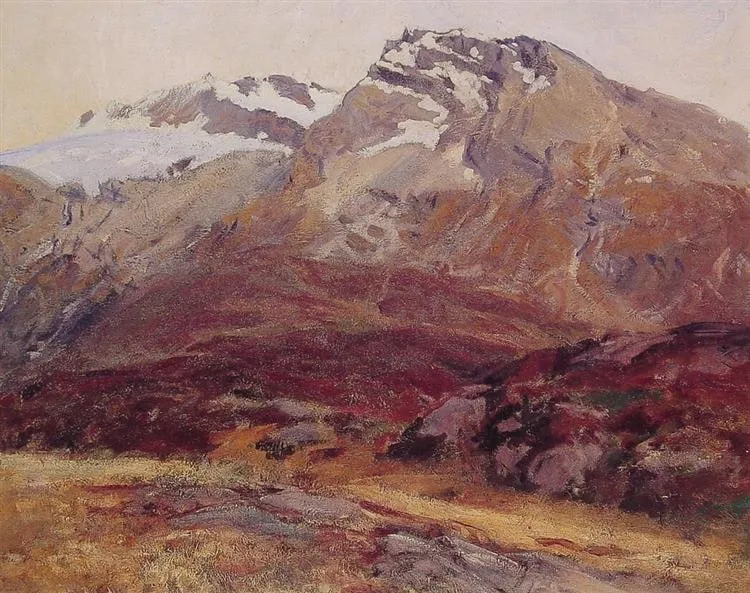
On an overcast day, clouds diffuse the sun’s direct light. The light is relatively weak and usually cool.
I would avoid too many hard edges or strong highlights to reflect the softness of the weather. I would restrain warm colours while allowing cool colours their natural strength.
Bright Midday Sun
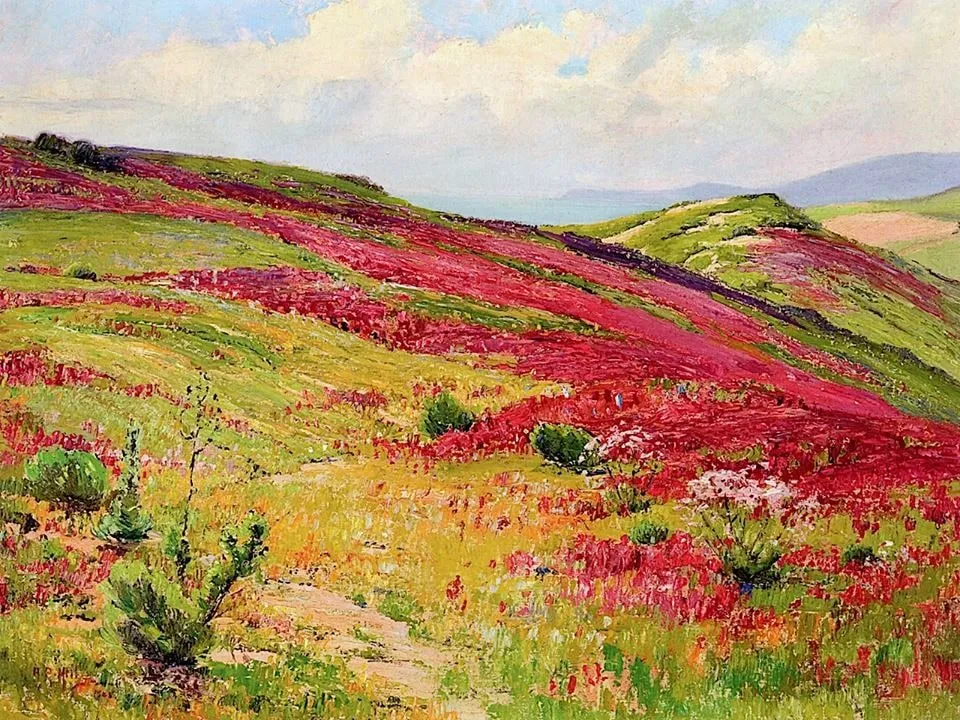
Painting in bright midday sunlight can be challenging because there are two light sources to consider: direct sunlight and ambient light from the sky. Each needs a different treatment.
Ambient Light from the Sky
Direct sunlight can be so intense that highlights merge into brightness and shadows into darkness. This is especially noticeable in photographs, where cameras may overexpose the lights and underexpose the darks.
Colour temperature can also be difficult to judge when it seems fairly neutral. For stylistic consistency, choose whether to interpret the light as warm or cool and maintain that approach throughout the painting.
I usually treat the light as slightly warm, painting warm lights and cool shadows.
Sunset and Sunrise
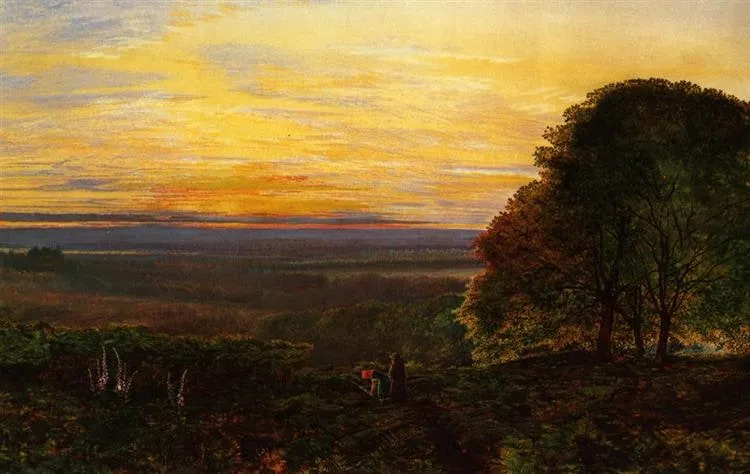
At sunrise and sunset, the sun is low and its light can be intense and very warm. Reds, oranges and yellows appear strong, while cooler colours seem subdued.
You may also see a strong contrast between light and dark.
A Storm
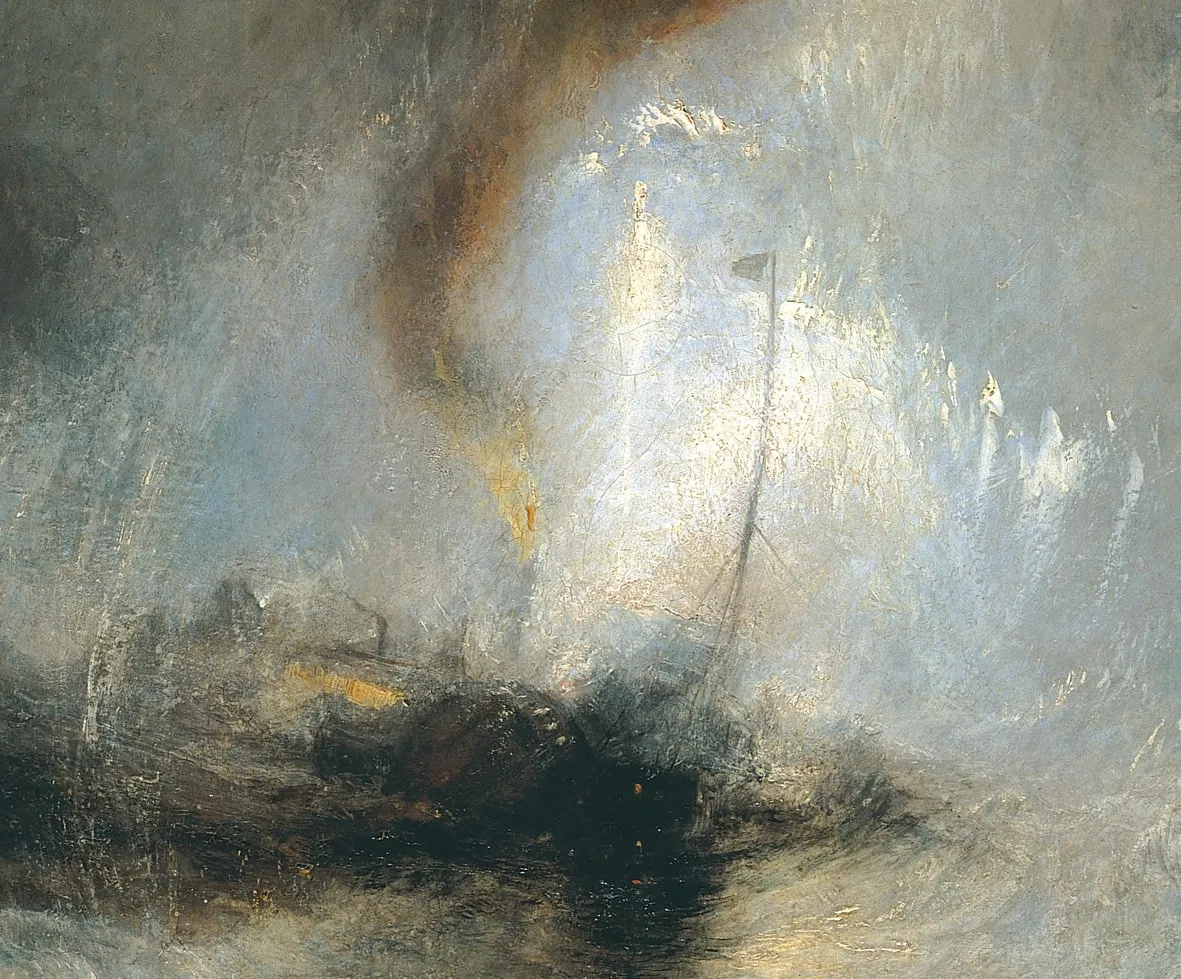
For a stormy scene, I would generally use soft edges and relatively cool colours, relying on expressive brushwork rather than saturated colour to create interest.
Night
Painting a night scene depends on its light source: perhaps the moon or a street lamp. I generally find the light relatively weak and cool, so I would use cool lights and warm shadows.
Master Landscape Painters
Here are a few master landscape painters who have helped me find inspiration. There is much to learn from them. Study their methods without simply copying their work: there is no need to reinvent every painting technique. Consider what their approaches might contribute to your own paintings. I have listed their names below and leave further exploration to you. I generally use WikiArt for much of my research.
Aelbert Cuyp Albert Bierstadt Aleksey Savrasov Alfred Sisley Anna Althea Hills Camille Pissarro Claude Monet Daniel Garber Edgar Payne Efim Volkov Emile Claus Frederic Edwin Church Frederick Childe Hassam Frederick McCubbin Frits Thaulow George Inness Georges-Pierre Seurat Gustave Caillebotte Gustave Loiseau Helen McNicoll Ilya Repin
Isaac Levitan J. M. W. Turner Jacob van Ruisdael Jean-Baptiste-Camille Corot Joaquín Sorolla John Atkinson Grimshaw John Constable John Singer Sargent Konstantin Korovin Mary Cassatt Paul Cézanne Robert Julian Onderdonk Sir Arthur Streeton Theo van Rysselberghe Thomas Cole Tom Thomson Vincent van Gogh William Wendt Winslow Homer Themistokles von Eckenbrecher Ivan Aivazovsky
Wil jij ook graag schilderen in de buitenlucht met een groepje geïnspireerde kunstenaars? Schrijf je dan in voor mijn nieuwsbrief, want zodra we met genoeg mensen zijn gaan we met z’n allen naar buiten.