24 February 2024
The Wonderful Sistine Chapel and a Special Video
It is a common misconception that people in the past were primitive compared with modern societies. Although they did not have the technological tools we use today, they possessed considerable knowledge, skill and creativity, enabling them to create magnificent buildings, paintings and other works of art.
The Sistine Chapel is a famous chapel in Vatican City, located in the Apostolic Palace, the papal residence. It is best known for its magnificent frescoes, particularly the ceiling and The Last Judgement, both painted by the Italian artist Michelangelo Buonarroti.
Construction of the Sistine Chapel began in 1473 under Pope Sixtus IV, after whom it is named. The chapel was completed in 1481. It is an important setting for Catholic ceremonies and gatherings, including the conclave, when cardinals assemble to elect a new pope.
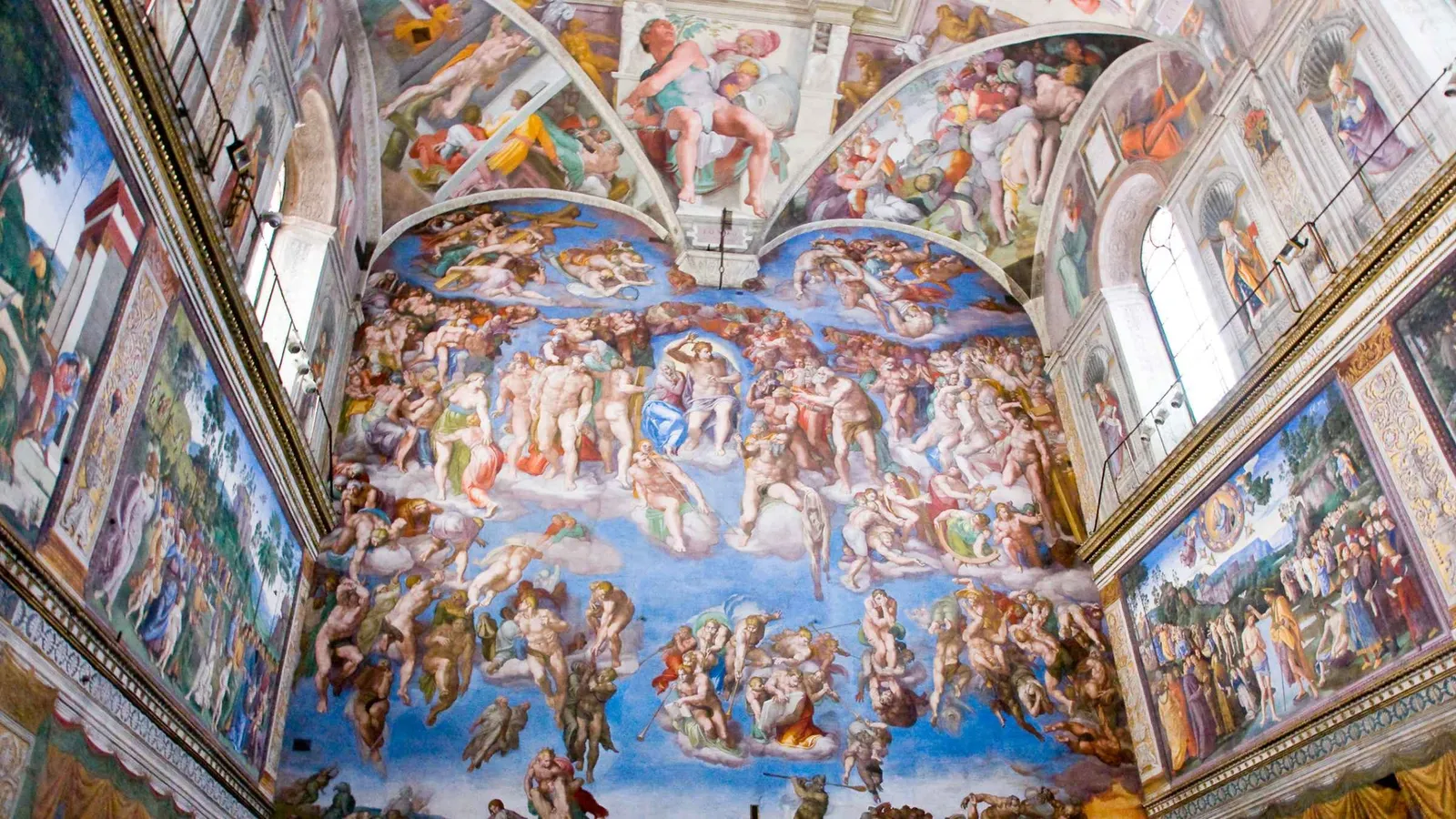
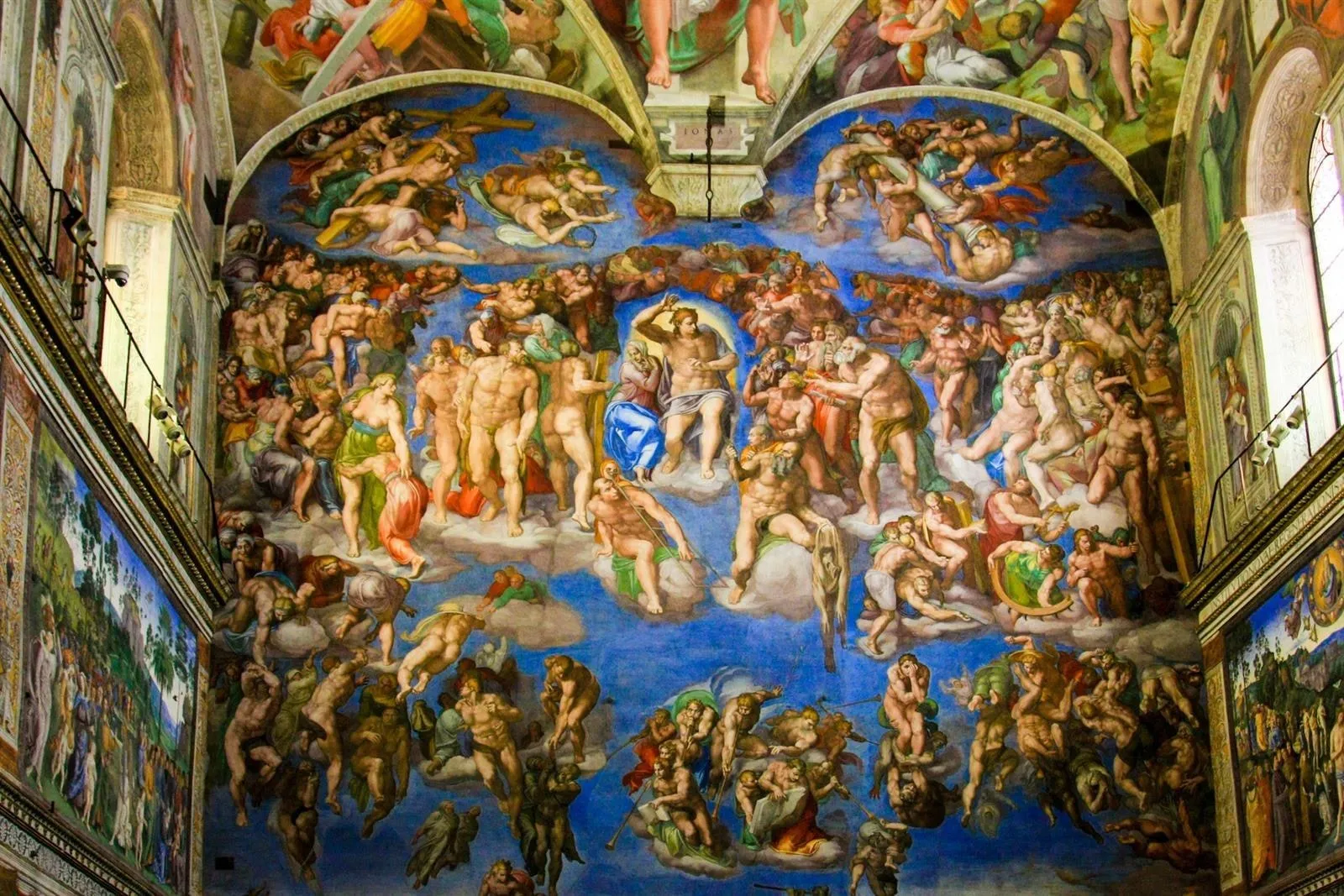
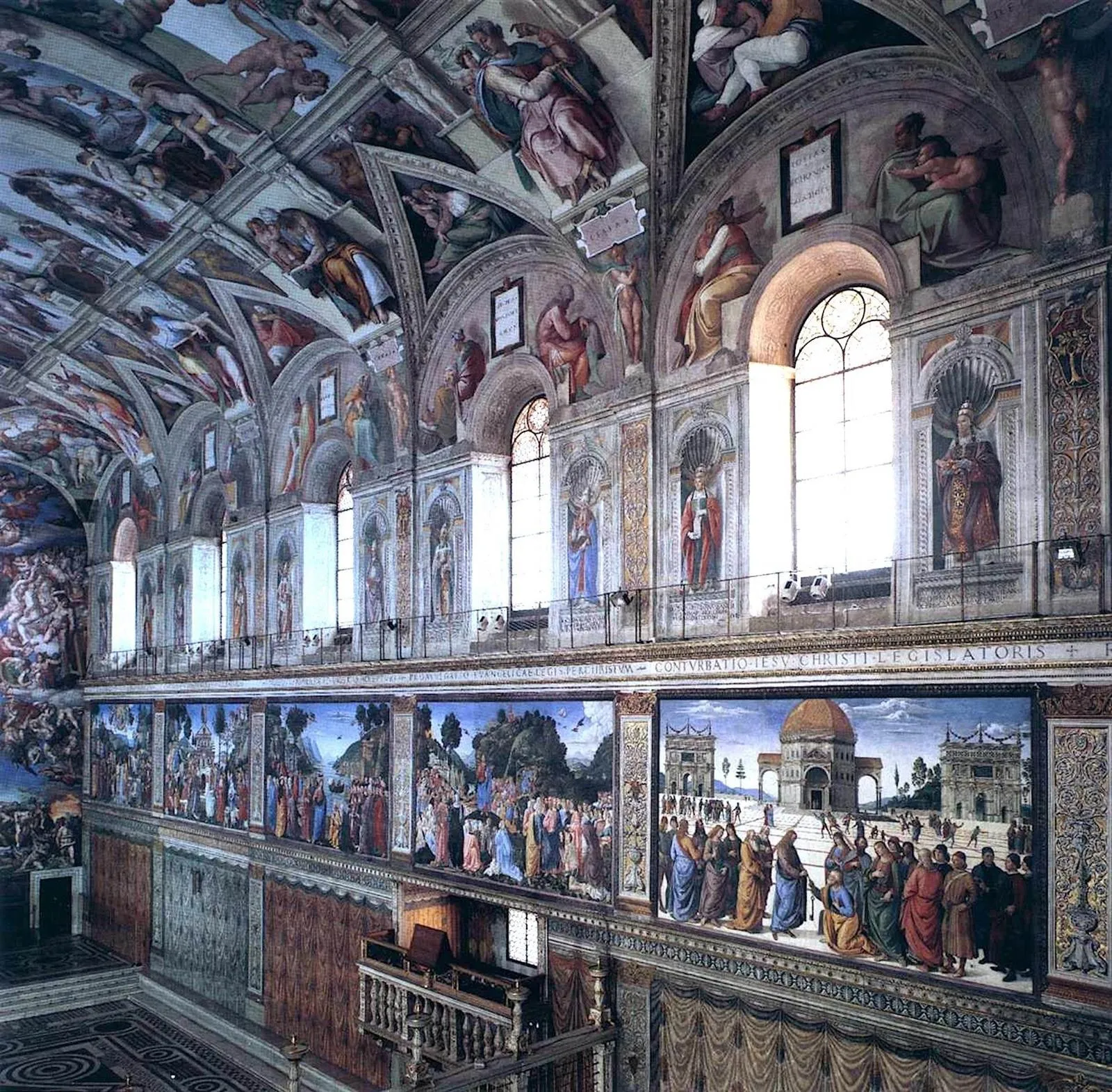
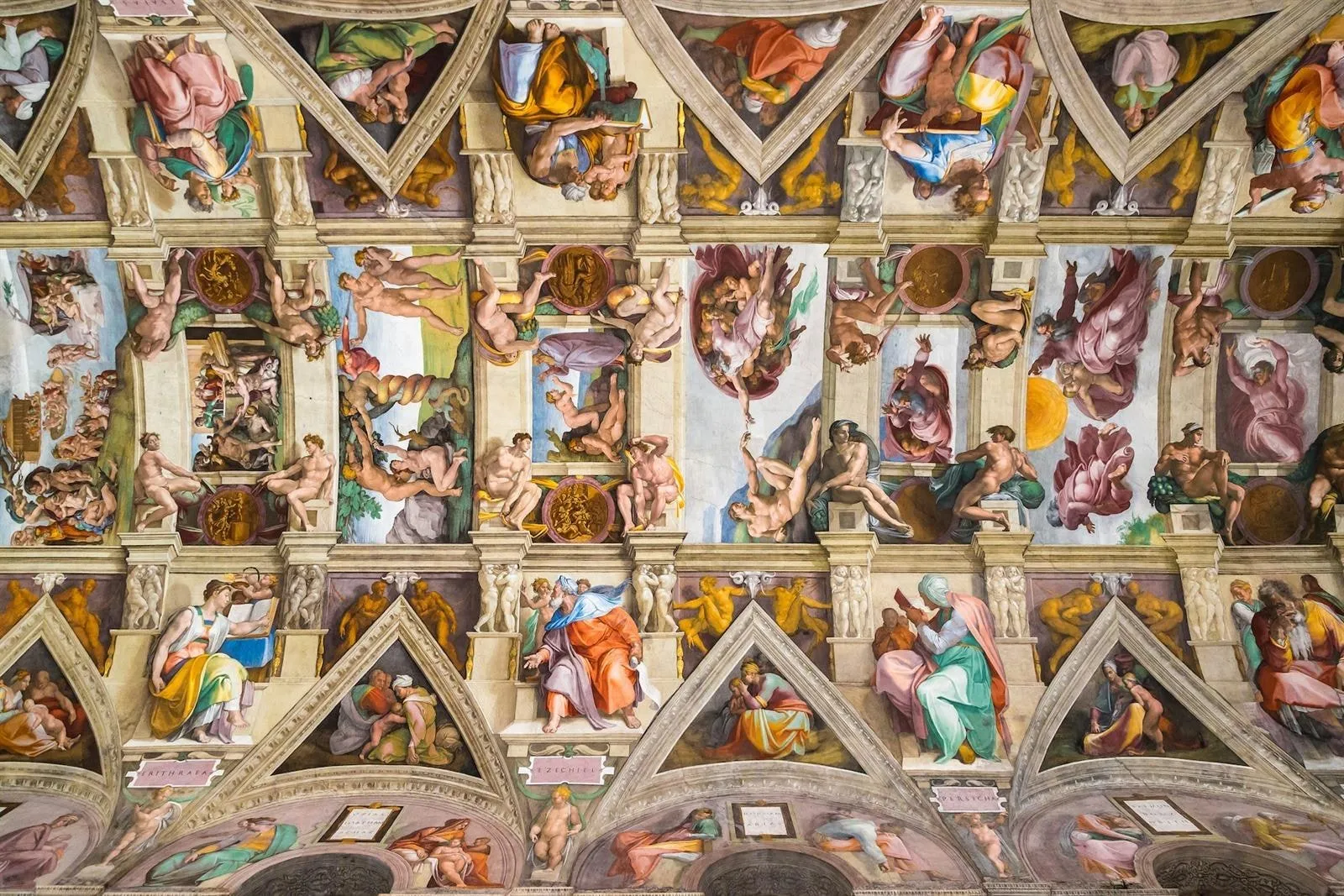
The chapel’s most striking feature is its ceiling, painted by Michelangelo between 1508 and 1512. It includes famous frescoes such as The Creation of Adam, in which God gives Adam life with an outstretched hand. The ceiling also features prophets and scenes from the Old Testament.
The Last Judgement, another masterpiece by Michelangelo, covers the wall behind the altar. Painted between 1536 and 1541, it depicts the biblical Last Judgement, with Christ judging the souls of the dead.
Alongside Michelangelo’s work, the Sistine Chapel contains frescoes by other Renaissance artists, including Botticelli, Perugino and Ghirlandaio.
With its magnificent art and historical importance within the Catholic tradition, the Sistine Chapel remains an iconic destination for art lovers and pilgrims from around the world.
I came across this remarkable video. Filming is apparently prohibited inside the Sistine Chapel, which makes this glimpse particularly unusual:
I wondered why we sometimes think of medieval people as primitive when, with transport as simple as a horse and cart, they could construct magnificent buildings and create paintings and sculptures that still leave artists asking: how did they do it?
There are several reasons why earlier societies were capable of such impressive achievements:
- Craftsmanship: People in the past were highly skilled craftspeople. Their skills were often passed down and refined over generations. Medieval master builders, for example, had extensive knowledge of stone, timber and vaulting, which they used to construct imposing cathedrals and castles.
- Artistic Traditions: Many earlier societies had rich artistic traditions and aesthetic ideals that inspired beautiful works. Religious, cultural and political institutions preserved and encouraged these traditions.
- Available Resources: Earlier societies adapted to their natural surroundings and used the resources available to them. The ancient Egyptians, for example, relied on the Nile for irrigation and transport and used abundant stone resources for their monumental buildings.
- Passion and Dedication: Artists and craftspeople were often deeply devoted to their work. They pursued excellence and invested enormous amounts of time and effort in creating masterpieces.
Although earlier societies did not have the same technology as the modern world, their knowledge, skills and understanding of beauty enabled them to produce extraordinary art and architecture that we still admire today.